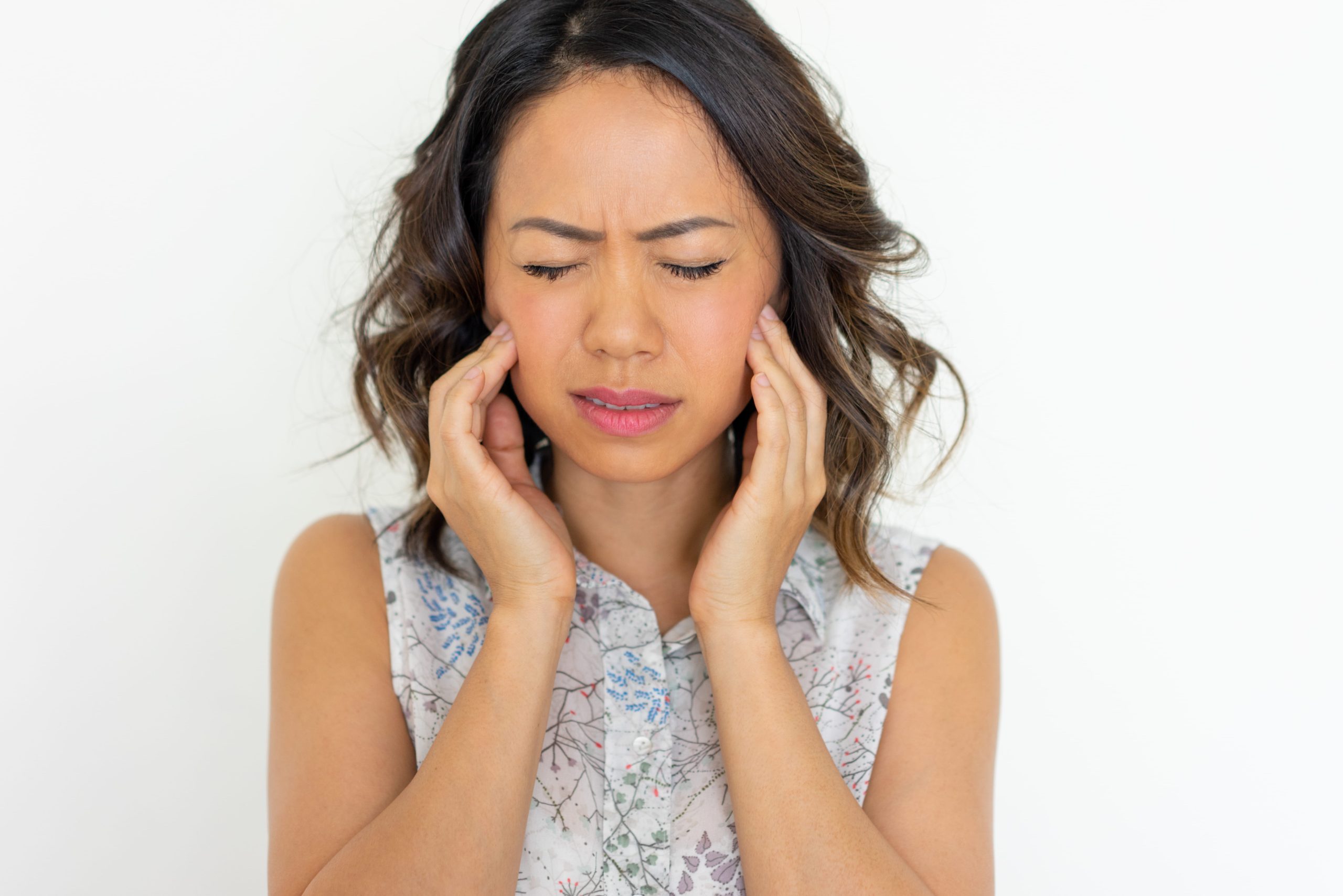
Experiencing jaw pain at some point is not uncommon, especially in situations involving stress or tension. However, it’s not always easy to tell whether it’s just a minor discomfort or a warning sign that requires professional attention.
In this article, we’ll help you identify when jaw pain might be cause for concern, which symptoms you shouldn’t ignore, and when it’s advisable to see a specialist to avoid complications.
Is it normal to have jaw pain?
Jaw pain is more common than it seems, and in many cases, it isn’t a serious problem. It can be caused by muscle tension, stress, teeth grinding, or even chewing hard foods. However, when the pain becomes frequent, intense, or is accompanied by other symptoms, it may be a sign of a more complex problem, such as temporomandibular disorder (TMJ) or another condition that requires professional attention.
When Should You Be Concerned About Jaw Pain?
You should pay attention and consider seeing a specialist if you experience any of the following symptoms:
- Persistent or severe pain: If the discomfort does not go away after several days or worsens over time, it is important to have it evaluated.
- Difficulty opening or closing your mouth: feeling stiffness, limited movement, or a locking sensation in the jaw is not normal and may indicate a problem with the joint.
- Clicking or popping sounds when moving the jaw: although these sounds sometimes do not cause pain, if they are accompanied by discomfort or limited movement, they should be checked.
- Pain when chewing: If eating becomes uncomfortable or painful, there may be inflammation or wear and tear in the joint.
- Radiating pain: When pain extends toward the ear, neck, head, or even the teeth, it may be related to the TMJ.
- Tooth sensitivity with no apparent cause: This may be associated with teeth grinding or a misaligned bite.
Main Causes
Jaw pain can have various causes. Understanding what triggers it is key to choosing the right treatment and preventing the problem from becoming chronic.
Temporomandibular Joint (TMJ) Disorders
TMJ disorders directly affect the joint that connects the jaw to the skull. They can cause pain, clicking, inflammation, and difficulty moving the mouth normally, especially when speaking or chewing.
Bruxism
Bruxism is an involuntary habit that usually occurs during sleep or during times of stress. It places constant strain on the jaw, causing pain, tooth wear, muscle tension, and even frequent headaches.
Stress and Muscle Tension
Emotional stress can cause the jaw muscles to remain contracted for long periods. This accumulated tension leads to pain, stiffness, and muscle fatigue, affecting the jaw as well as the neck and shoulders.
Bite Problems
Misaligned teeth or an improper bite can cause uneven pressure distribution while chewing. Over time, this puts excessive strain on the temporomandibular joint and can lead to pain, wear and tear, and persistent discomfort.
Injuries or Blows to the Jaw
Trauma, falls, or impacts to the facial area can affect the joint or the jaw muscles. Even if the blow seems minor, it can cause internal inflammation, pain when moving the mouth, and limited function.
Dental infections or oral problems
Deep cavities, abscesses, or gum infections can cause pain that radiates to the jaw. In these cases, the source is not the joint, but the symptoms can easily be mistaken for a TMJ disorder.
Joint diseases
Certain conditions such as osteoarthritis or inflammatory diseases can affect the temporomandibular joint. This leads to progressive wear and tear, chronic pain, stiffness, and difficulty performing normal jaw movements.

Treatments Recommended by Professionals
While the ideal treatment will depend on the cause, there are recommendations that can help you reduce discomfort, prevent complications, and improve jaw function in your daily life.
Watch what you eat
Choosing soft, easy-to-chew foods helps reduce the strain on your jaw and promotes healing. Avoid hard, crunchy, or very chewy foods, as they can aggravate inflammation and increase pain.
Apply cold or heat as needed
Compresses can be great allies in relieving pain. Cold helps reduce inflammation, while heat relaxes tense muscles. Alternating between the two can be helpful depending on the discomfort you’re experiencing.
Reduce tension and stress
Stress is one of the main triggers of jaw pain. Practicing techniques such as deep breathing, meditation, or taking active breaks throughout the day can help relax your muscles and prevent the problem from worsening.
Avoid clenching your teeth
Many people clench their jaws without realizing it, especially during moments of concentration or tension. Being aware of this habit and relaxing your jaw (keeping your teeth slightly apart) can make a big difference.
Questions About the Use of Mouthguards
Mouthguards are devices designed to reduce pressure on the jaw, especially in cases of bruxism. A specialist can determine whether they are necessary and ensure they are properly fitted.
Improve Your Posture
Spending many hours in front of a computer or smartphone can cause tension in the neck and jaw. Maintaining proper posture and taking frequent breaks helps prevent muscle strain in this area.
Maintain a physical activity routine
Regular exercise not only improves overall health but also helps reduce stress and muscle tension. This can have a direct positive impact on reducing jaw pain.
Consult a professional
If the pain persists or interferes with your daily activities, the most important thing is to see a specialist. A timely diagnosis allows the problem to be treated early and helps avoid long-term complications. If you experience jaw pain, it is best to see a dentist specializing in TMJ, a specialist in dental occlusion, or, in some cases, a specialized physical therapist.
Jaw pain should not be ignored, especially when it affects your daily life. At OrthoVela, we have specialists in TMJ who can help you identify the cause and provide effective treatment. Schedule your appointment and prevent the problem from getting worse.